AMD may finally be closing in on one of the most persistent issues affecting Radeon graphics users on Linux: incomplete HDMI 2.1 support. According to recent developer discussions, a full implementation of the HDMI 2.1 standard within the AMDGPU driver is on track—pending final patches and compliance testing.
For years, Linux users have faced a frustrating gap between hardware capability and software support. While many modern AMD GPUs already include HDMI 2.1-compatible hardware, the open-source AMDGPU driver has lacked full implementation of the standard’s advanced features. This limitation has prevented users from accessing higher resolutions and refresh rates that HDMI 2.1 enables.
The situation appears to be changing. AMD engineers have confirmed that a “full implementation” of HDMI 2.1 is planned and will be released once development patches are finalized and pass official compliance testing.
A key step forward comes from the addition of HDMI Fixed Rate Link (FRL) support. FRL is a crucial component of HDMI 2.1, allowing significantly higher bandwidth compared to HDMI 2.0. This enables features such as higher refresh rates, improved resolutions, and better overall display performance.
However, FRL alone does not represent the full HDMI 2.1 feature set. Other capabilities—such as Display Stream Compression (DSC)—are still being tested and will be introduced later. AMD developers have noted that while partial compliance testing has already been successful, full certification is still ongoing.
One of the biggest obstacles to HDMI 2.1 support on Linux has not been technical, but legal. The HDMI Forum previously blocked AMD from releasing full open-source implementations due to concerns about exposing proprietary intellectual property. This restriction significantly delayed support in the AMDGPU driver, despite the hardware being ready for years.
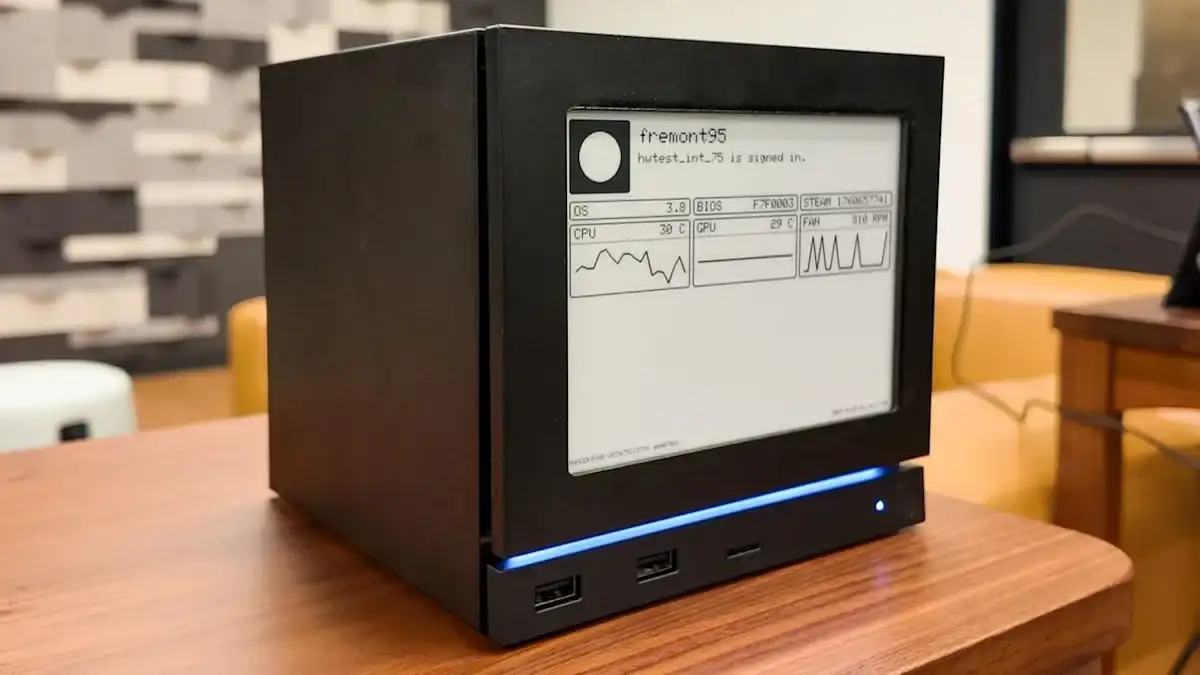
The implications of this breakthrough extend beyond desktop Linux users. Valve’s upcoming Steam Machine is a notable example. Although the hardware itself supports HDMI 2.1, it has been limited to HDMI 2.0 functionality due to driver constraints. If AMD successfully delivers full support, devices running SteamOS could finally take advantage of HDMI 2.1 without requiring Windows as a workaround.